Hair Transplant Insights
Evidence-based guides, cost breakdowns, and expert insights to help you navigate your hair restoration journey with confidence.

All Articles

How to Spot a Hair Mill Clinic: 12 Red Flags to Know Before You Book
A hair mill is a high-volume clinic where technicians — not surgeons — perform your procedure while the doctor does little more than a brief consultation. They are responsible for the majority of botched hair transplant cases documented on Reddit.

FUE vs FUT vs DHI: Which Hair Transplant Technique Is Right for You?
FUE is the most popular technique — minimally invasive, no linear scar. FUT allows higher graft counts for advanced loss. DHI is a variation of FUE best for women.

Hair Transplant Turkey 2026: The Complete Medical Tourism Guide
Turkey is the world's largest hair transplant destination, offering comparable surgical quality to Western countries at 60–75% lower cost.
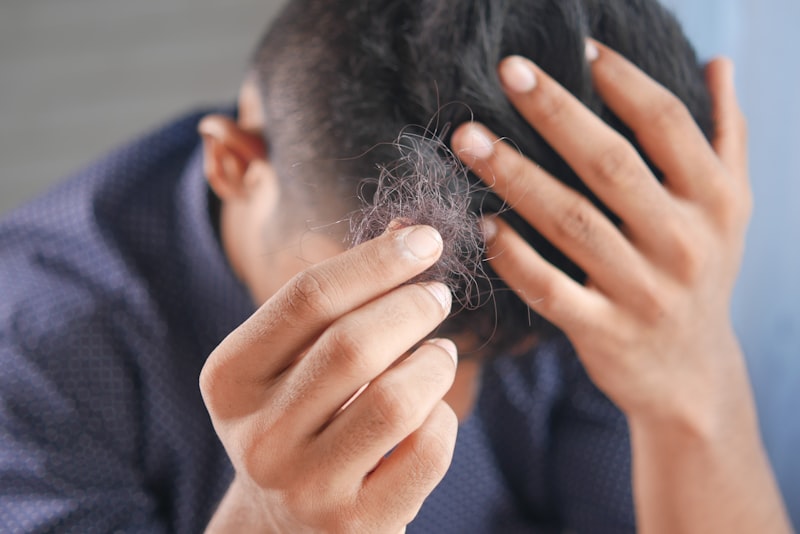
Shock Loss After Hair Transplant: Is My Hair Transplant Failing?
Shock loss is the temporary shedding of transplanted hair that occurs 2-8 weeks after a hair transplant. It happens to the vast majority of patients and does not mean your procedure has failed.

Hair Transplant Recovery Timeline: Month-by-Month Guide
Hair transplant recovery follows a predictable pattern: scabbing in the first 2 weeks, shock loss at months 1-3, early growth from months 3-4, visible improvement through months 6-12, and full results by months 12-18.

How to Vet a Hair Transplant Clinic: The Complete Verification Checklist
Vetting a hair transplant clinic requires checking surgeon credentials on official registries, confirming the surgeon personally performs your procedure, reviewing authentic patient portfolios, searching independent community forums, and clarifying all costs in writing.

Hair Transplant Regret: Real Stories, Root Causes, and How to Avoid It
Hair transplant regret affects a minority of patients but is disproportionately visible online because regret stories generate viral engagement. The root causes are almost always the same: choosing the wrong clinic, unrealistic expectations, getting surgery too young, or overharvesting.
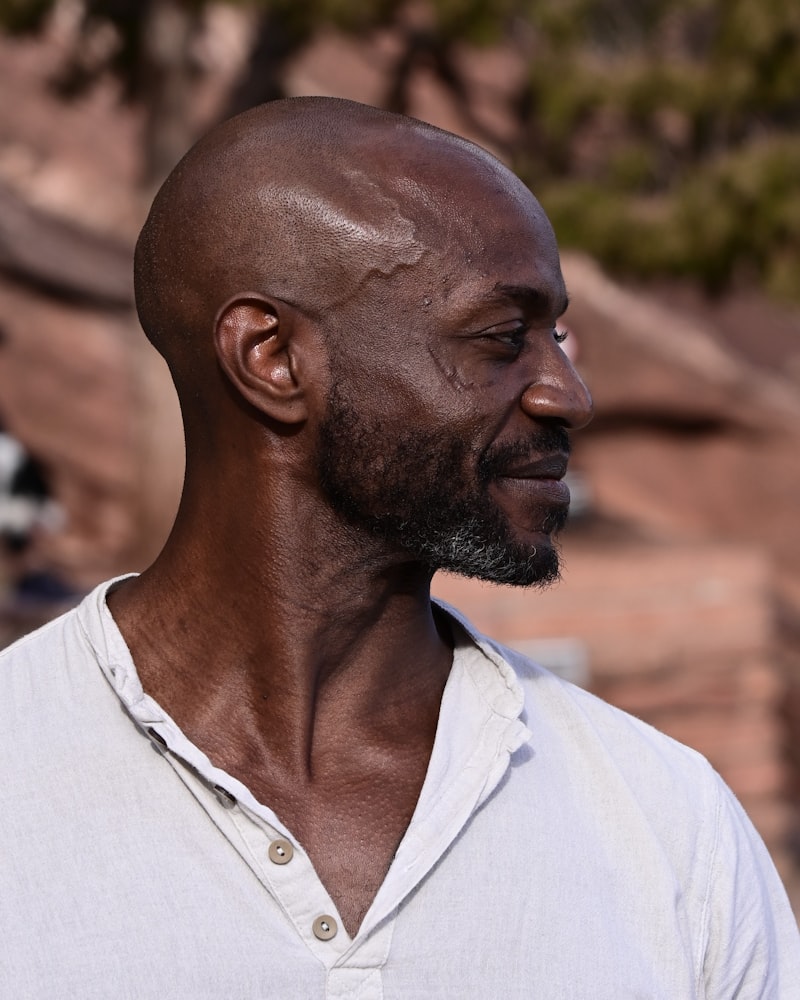
Am I a Good Hair Transplant Candidate? (Honest Assessment)
Good hair transplant candidates have sufficient donor area density, stable hair loss, realistic expectations, and are generally 25 or older. Poor candidates include those with extensive diffuse thinning, inadequate donor supply, or unstabilized active loss.

What Is a Hair Graft? Understanding Grafts, Follicles, and What You're Paying For
A hair graft is a naturally occurring group of 1–4 hair follicles that grow together from a single follicular unit. Grafts are extracted from the donor area and implanted into thinning or bald areas. Most patients need 2,000–5,000 grafts depending on their Norwood stage. In countries like Turkey, you typically pay a flat fee for a full session; in the USA and UK, you usually pay per graft — meaning understanding this unit is the key to comparing quotes accurately.

Hair Transplant All-Inclusive Packages: What's Actually Included (and What Isn't)
"All-inclusive" in the hair transplant industry rarely means what it sounds like. Most Turkish clinic packages include the procedure and maybe hotel, but frequently exclude medications, airport transfers, follow-up consultations, or additional treatments upsold on arrival. This guide tells you exactly what to ask before you book — and what to expect when you land.

Best Cities for Hair Transplants in Turkey: Istanbul vs Ankara vs Izmir
Istanbul is the undisputed center of Turkey's hair transplant industry — hosting the majority of internationally recognized surgeons, the most competitive pricing, and the best medical tourism infrastructure. Ankara and Izmir have quality clinics but far fewer internationally vetted options. For most medical tourists, Istanbul is the correct choice.

Hair Transplant Surgeon Credentials: ABHRS, ISHRS, and What Certifications Actually Matter
The two most important credentials for a hair transplant surgeon are ABHRS board certification (American Board of Hair Restoration Surgery) and ISHRS membership (International Society of Hair Restoration Surgery). Both are publicly verifiable in under 5 minutes. Either certification is a meaningful positive signal; absence of both is a red flag that warrants deeper investigation before booking.

How Long Does a Hair Transplant Take? What to Expect on Surgery Day
A hair transplant for 3,000–4,500 grafts typically takes 6–10 hours from start to finish. The procedure spans four main phases: anesthesia, extraction, graft preparation, and implantation. There is usually a break in the middle. You are awake throughout — the area is numbed with local anesthesia. Most patients find it uncomfortable but manageable, and describe the anesthesia injection phase as the most painful part.

Hair Transplant Turkey: How to Plan the Perfect 5-Day Trip
A 5-day Istanbul hair transplant trip follows a clear structure: travel day, consultation day, procedure day, first recovery day, departure day. This guide covers the complete logistics — what to book when, what to pack, when to fly relative to surgery, and what to expect at each stage.

Paying for a Hair Transplant: Financing Options and Hidden Costs
Most hair transplant clinics — especially in Turkey — require full payment on or before the procedure day, with a deposit (typically 20–30%) required to hold your booking. Formal financing programs are rare in Turkey; they are more common in the USA and UK. Hidden costs (medications, transfers, extra hotel nights) can add 15–30% to the advertised price. This guide helps you budget accurately and avoid deposit traps.
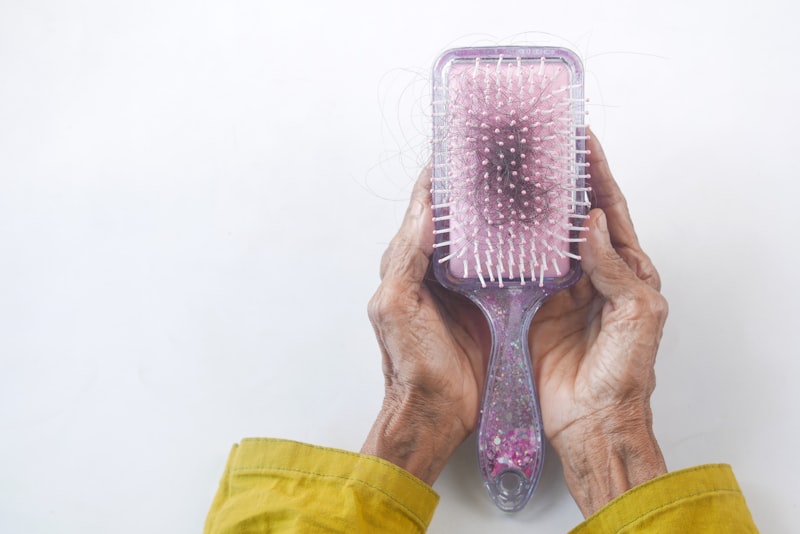
Hair Transplant Aftercare: Week-by-Week Instructions for the First 3 Months
The first 14 days of aftercare are the most critical — proper washing technique, avoiding physical trauma to grafts, and following your medication protocol determine whether implanted grafts survive. From weeks 3–12, the focus shifts to protecting healing tissue and supporting the follicular growth cycle. This guide covers everything you need to do and avoid.

When Can I Wash My Hair After a Hair Transplant?
Most clinics begin the first gentle wash on day 2–3 post-procedure, demonstrated during the post-operative check-up. Normal-pressure washing is typically safe from day 10–14 as grafts begin to anchor. Full, unrestricted washing gradually resumes by weeks 3–4. The specific technique — patting rather than rubbing — matters more than timing in the first two weeks.
Hair Transplant Shedding Phase: What's Normal and What's Not
Hair shedding after a transplant — called the shock loss or shedding phase — is normal for the vast majority of patients. It typically begins 2–6 weeks after surgery and can make the scalp look significantly worse before it improves. The underlying follicles are alive and dormant; they will regrow permanent hair starting around months 3–4. This guide tells you exactly what normal looks like, and what the genuine warning signs are.

Hair Transplant Results at 3 Months: What to Realistically Expect
At 3 months, most patients see 20–40% of their final result — fine, emerging hairs that are present but not yet at full density or length. Many patients see almost nothing visible yet, which is also compatible with excellent 12-month results. Month 3 is too early to evaluate whether your procedure succeeded or failed.
Hair Transplant Results at 12 Months: Before and After Expectations
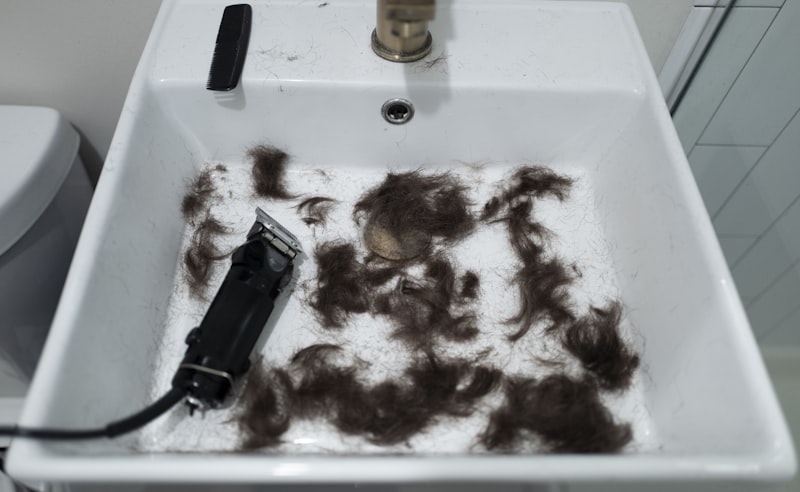
The 12-month mark is when most patients achieve 80–95% of their final result. Transplanted hair is now at full thickness, growing at full speed, and blending naturally with native hair. This is the appropriate time to take definitive before-and-after photos and evaluate whether any refinement (additional session, SMP, etc.) might be warranted.

Donor Area After Hair Transplant: Healing, Scarring, and Overharvesting Signs
The donor area — typically the back and sides of the scalp — heals within 2–3 weeks after FUE and 3–4 weeks after FUT. FUE leaves small circular dot scars; FUT leaves a linear scar. Overharvesting is the most serious donor area complication and is almost exclusively caused by hair mill clinics that extract too many grafts too densely without conservative planning.

Hair Transplant for Women: A Complete Guide
Women can absolutely get hair transplants, but female hair loss is fundamentally different from male pattern baldness — which means the candidacy criteria, surgical approach, and expected outcomes differ significantly. Women with localized hair loss and a stable donor area are good candidates. Women with diffuse thinning across the entire scalp (including the donor zone) are generally not good candidates. A specialist evaluation is essential.
Hair Transplant for Afro-Textured Hair: Finding a Specialist
People with afro-textured, curly, or coily hair can have successful hair transplants — but the procedure requires a surgeon with specific experience in this hair type. The curved follicle structure of afro-textured hair makes both extraction and implantation technically more challenging. Choosing a surgeon without this specific expertise significantly increases the risk of transection (damaging the follicle during extraction) and unnatural results.

Hair Transplant Under 30: Should You Do It?
Getting a hair transplant before age 25–27 carries significant risks that most experienced surgeons take seriously. The primary danger is not the surgery itself — it's designing a hairline for today's hair loss pattern when tomorrow's pattern is still unknown. A transplanted hairline can become isolated as surrounding native hair continues to recede, creating a result that looks increasingly unnatural with age. Most cases benefit from stabilizing with Finasteride first and waiting.

Finasteride and Hair Transplants: Before or After?
Finasteride should ideally be started before a hair transplant — both to stabilize native hair loss (making candidacy clearer) and to protect remaining native hair after surgery. After a transplant, continuing Finasteride is equally important: it protects the native hair investment alongside the transplanted result. Most surgeons recommend ongoing Finasteride as a post-operative standard of care.

Hair Transplant Revision Surgery: When You Need It and What It Costs
Hair transplant revision surgery repairs outcomes from poorly performed primary procedures — correcting unnatural hairlines, improving density, or addressing donor area damage. It is possible for many types of poor outcomes, but it is expensive, technically demanding, and the options are limited by how much donor supply was preserved from the original procedure. Prevention is always preferable to repair.

Hair Transplant vs Scalp Micropigmentation (SMP): Which Is Right for You?
A hair transplant produces growing, real hair — ideal for patients who want to restore the appearance of a natural hairline or density in thinning areas. SMP (Scalp Micropigmentation) is a specialized tattooing technique that creates the appearance of a shaved head with close-cropped follicles — ideal for patients with insufficient donor hair, those who prefer the buzzed aesthetic, or as a complement to transplant surgery. They are not always in competition — many patients benefit from both.

How to Read Hair Transplant Before and After Photos Without Being Deceived
Before and after photos are the most powerful marketing tool hair transplant clinics have — and the most commonly manipulated. Lighting tricks, selective timing, cherry-picked cases, and outright stock photos are documented across the industry. This guide gives you the exact visual analysis skills to evaluate whether a photo gallery is authentic and representative.

The Ultimate Hair Transplant Planning Checklist 2026 (FlyHairline.com)
Planning a hair transplant well is as important as the surgery itself. This master checklist covers every stage — from initial research through booking, travel, surgery day, recovery, and long-term maintenance — so nothing falls through the cracks.
Stay Informed
Get the latest research, clinic updates, and expert insights delivered to your inbox.